
Consider these tips when mixing materials like wood, stone and metal in your next interior design project
In interior design, the mixing of materials instantly gives a space texture and dimension. Combining diverse materials such as leather, wood, natural elements and metal enables you to infuse interest into your home décor. Here’s a comprehensive guide on how to expertly blend materials to elevate the aesthetic appeal of your living spaces.
Understanding Material Characteristics
Before diving into mixing materials, it’s important to understand the unique characteristics of each element:

Wood: Known for its warmth and versatility, wood adds natural charm and richness to a space. It comes in various types like oak, walnut or maple, each with distinct grains and hues. Wood can also be incorporated in the form of woven baskets.
Leather and Other Textiles: Exuding luxury and sophistication, leather introduces a sense of elegance. It’s available in different textures, from smooth to distressed, and various colors that can complement any interior style. Other textiles, such as rugs and throws, can be incorporated for a similar impact.
Natural Elements: Incorporating natural elements such as stone, plants, or shells brings an organic feel to the design. They offer a tactile experience and contribute to a tranquil ambiance.
Ceramics: Ceramics in the form of vases, planters and dishware can create textural interest and offer color contrast.
Metal: Whether it’s the sleekness of stainless steel, the vintage appeal of brass, or the industrial vibe of iron, metals add a touch of glamor and contrast to a space.
Establish a Harmonious Palette
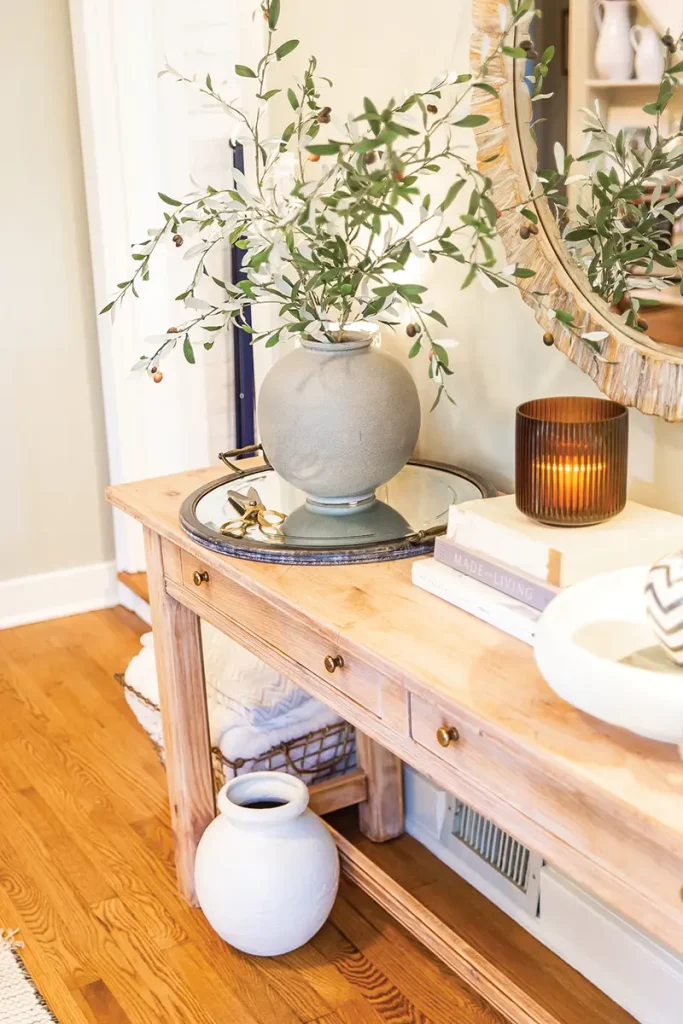
When you’re designing a space, consider incorporating at least one item per material category in the room to achieve a visually interesting design. Begin by selecting a primary material as the focal point. For instance, if you have wooden furniture, consider incorporating complementary materials like leather upholstery or brass accents. Ensure these materials complement rather than compete with each other. Stick to a cohesive color palette to maintain harmony while mixing materials.
Layer Textures for Depth
Layering textures is pivotal in creating visual interest. Pair a smooth leather sofa with a reclaimed wood coffee table or introduce a vintage gold mirror above a console table styled with a large ceramic bowl. The interplay of different textures adds depth and dimension to the room.
Balance Proportions
Maintain balance by paying attention to proportions. A space overwhelmed with one dominant material may appear monotonous. Distribute materials evenly throughout the room, varying their prominence to avoid overwhelming the eye.
Unify Elements Through Accents
Incorporate cohesive accents like throw pillows, rugs or artwork that feature a blend of materials. A curated collection of shells tucked into a ceramic bowl, or a conversation-starting belt buckle atop coffee table books, can unify the space in a subtle way.
Embrace Contrast
Contrast is key to creating visual intrigue. Pairing contrasting materials, such as the smoothness of leather against the roughness of a hand-knotted rug or the warmth of wood against the coolness of metal, adds dynamism and sophistication to the design.
Pay Attention to Detail
Even small details matter. Hardware choices, such as drawer handles or faucets, offer opportunities to infuse different materials into your design scheme. Selecting complementary materials for these details elevates the overall aesthetic.
Harmonize with Lighting
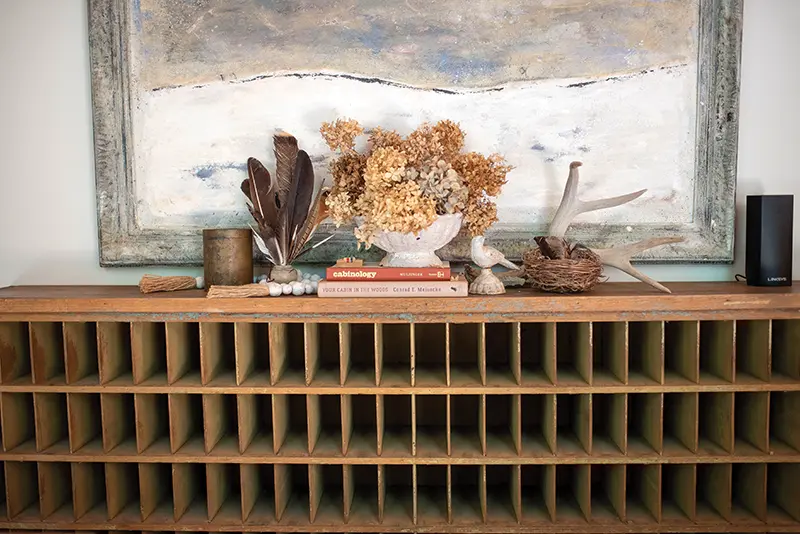
Consider how lighting interacts with mixed materials. Strategically placed lighting can accentuate textures, casting shadows that highlight the unique qualities of each material. Opt for accent lighting in the form of floor or table lamps rather than harsh overhead lighting to bring instant warmth to the space.
Evolve the Design
Lastly, don’t be afraid to evolve your design over time. Experimentation and adaptation allow you to refine your material mixing skills, discovering new combinations that resonate with your evolving style.
Mastering the art of mixing materials in interior design requires a keen eye for balance, texture and cohesion. By understanding material characteristics and implementing these strategies, you can create a space that exudes sophistication, depth, and timeless appeal. Experiment, explore and let your creativity flourish to craft a home that reflects your unique style.
Megan Williams