From hydrangeas to hollies, knowing what—and when—to prune can make all the difference. Local experts share how to snip your way to stronger, healthier plants.
By Rachel Kester
With just a few snips here and there, your landscape can transform into an abundant and vibrant paradise.

Pruning is an essential garden technique that helps enhance plant aesthetics while encouraging them to be healthier and stronger. By trimming off branches, it generates stress that the plant uses to send fresh energy bursts to the “wounded” site for better growth.
For many local plants, late winter is ideal to give these haircuts as they’re still dormant; but while it might seem like a simple task, it can be an intricate art.
What Plants Need Pruning?
Anything that requires new wood for growth during the summer and fall, like fruit trees, fall-bearing raspberries, dogwoods, panicle hydrangeas and ornamental grasses, should be pruned.
“If it blooms in spring, like an azalea, camellia, quince or forsythia then you want to be hands-off until after it blooms,” said Les Parks, vice president of horticulture at Norfolk Botanical Garden. “If it blooms in summer, like roses or butterfly bushes, February is the time to prune…summer blooms [are] on new wood—any time you prune it creates more wood.”
Evergreens, like hollies and viburnums, can also be pruned, especially if you’re not too big on the flowers or willing to sacrifice them for a season.
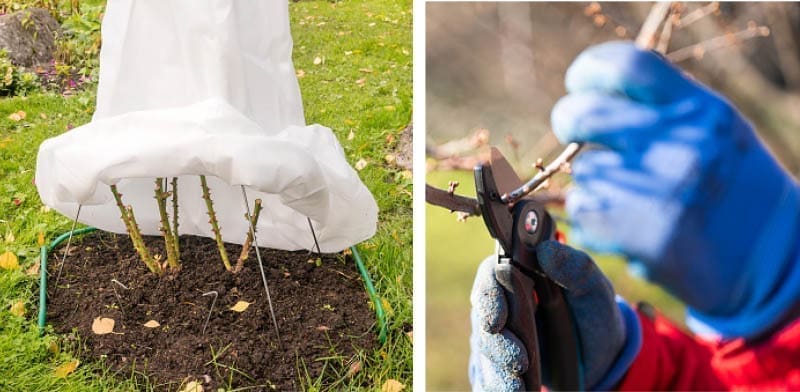
Identifying What Needs to Go
Diseased (brittle and hollow), dead or damaged branches need to be chopped off. It’s also good to check for crossing ones, especially with deciduous trees, as they can restrict airflow and become a haven for pests and diseases.
If there are any flowers hanging on from the past season, remove them. Suckers (shoots that grow around the plant’s base or in between a branch and the central stem) should also be removed as they can hog nutrients the rest of the plant needs.
Basic Pruning Techniques
After grabbing hedge clippers or hand pruners, investigate the plant for branches with the symptoms previously mentioned. When cutting, cut just right about the central branch and at a slight angle which can help water roll off. “What you don’t want to do is leave stubs,” said Parks. A stub is where a few inches are still left of a pruned branch. The stub will eventually start rotting and has potential to harm the plant.
Fall-bearing raspberries can also benefit from having old canes chopped to the ground now. While it might seem excessive, they welcome it as it gives them more energy to produce a larger crop.
During this time, consider the plant’s shape, especially species like hydrangeas and roses. While this is more of a personal preference, keeping this aspect in mind makes sure the plant will grow evenly.
Don’t go overboard though—only prune branches crowding or stifling the plant. Over-pruning can have a negative effect and cause the plant to not bloom or fruit as it becomes overly stressed.
For further assistance, the Virginia Cooperative Extension offers numerous online pruning resources, including a calendar and cutting guides, which can help ensure your specific plant is pruned perfectly.
Pruning Tips
If there’s one thing to emphasize with pruning it’s to always sanitize the blades after working on individual plants.It might be a nuisance, but can prevent potential disease spread throughout your garden.
“We recommend a bleach water solution—one part bleach 10 parts water,” said Parks. “After pruning, really clean the pruners well so you don’t carry diseases to a new plant.” You can also use warm, soapy water and a clean brush to scrub off lingering debris after sanitizing.
Make sure that the blades are also sharp. Dull ones will cause jagged, uneven snips leaving behind rough cuts that take longer to heal. The longer it takes to close, the more time disease and fungus (including canker-causing ones) have to sneak inside.
Blades can be sharpened by a local sharpening service or at home by running a diamond file against them a few times. The sharpness can be tested by cutting through a twig. If it snaps evenly in half, they’re ready.
And before heading out to find plants that need haircuts, remind yourself only certain ones truly need pruning right now. While it might be tempting to take a few branches off here and there on an azalea as warm days approach, don’t. It will only ruin bloom production. “You don’t kill the plant but the whole point of growing flowers is to enjoy [them],” said Parks. “If you prune too early, you’re cutting flowers off.”
Rachel Kester